Preview profile

Review only: each person scans their own QR code and sees their own profile, with their partner alongside. Isabella’s real scores from scores.pdf (her Q Type there is Agent Handler), shown as sample data on every Date profile until the visitor API is connected.

Name:
Isabella Lopez
Partner:
Alex
Location:
London

Your Q Type

Spymaster

You see the bigger picture.

You lead with vision and purpose. Calm under pressure, you see both the forest and the trees – balancing long-term strategy with immediate action. You don’t just make decisions; you inspire confidence in them. Others look to you for clarity in the fog, knowing you’ll chart the course and carry the weight.

Your judgment, authority, and emotional intelligence make you uniquely suited to high-level decision-making roles. You navigate risk with precision, communicate with conviction, and unify diverse teams behind a shared objective. Whether in war rooms or boardrooms, you’re built to lead from the front – and the shadows.

Standout attributes

  • Inquisitiveness+40
  • Sociability+40
  • Cold Risk+30
All ten attributes

Defining qualities

  1. 1Leadership
  2. 2Strategic
  3. 3Empathetic

Your partner in crime

Alex

Intelligence Analyst

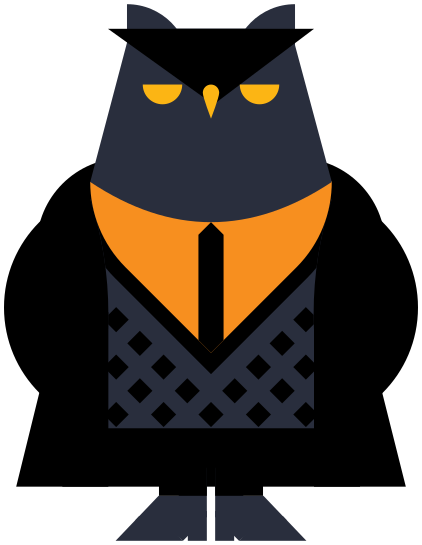
Illustration of the owl, the Intelligence Analyst spy animal

You see connections others miss.

See you side by side

Your watch-out

Seeing the destination so clearly that you overlook useful details or move ahead before everyone is ready.

01Attributes

Your scores, side by side

Unlike other systems, your SPYSCAPE results combine what you say about yourself with how you actually perform.
YouAlexAverage visitor
ConscientiousnessInquisitivenessCold RiskHot RiskComposureSociabilityIntellectAgilityInterpersonalSkillsObservation

Hover over or select an attribute to see what it means.

Hot Risk

You 30%Alex 70%Average 50%

Hot Risk reflects the impulsive decisions you make in uncertain or high-pressure situations—when the outcome is unclear, and the stakes feel immediate. It’s about how you respond in the moment to either seize a reward or avoid a loss.

How we measured this: You scored $14 in the Hot Risk challenge, against an average of $24.

20 points below the average visitor. 40 points below Alex. Observed: from how you performed in a challenge.

How your scores were built

Your scores come from two sources. Self-reported scores come from your answers to the personality questions in the Mind Games. Observed scores come from how you actually did in the immersive challenges and in the Mind Games puzzle and risk tests.

Put together, they build your personal profile across ten attributes. Each one is shown against the average visitor, so you can see where you stand out. Switch on your partner’s scores to see where your two shapes overlap.

SPYSCAPE developed the system with leading psychologists and a former Head of Training at British Intelligence (MI6). More than one million people have now used it.

Self-reportedObserved
YouAlexAverage visitor

Mind

Nerve

  • Hot Risk reflects the impulsive decisions you make in uncertain or high-pressure situations—when the outcome is unclear, and the stakes feel immediate. It’s about how you respond in the moment to either seize a reward or avoid a loss.

    How we measured this: You scored $14 in the Hot Risk challenge, against an average of $24.

    20 points below the average visitor. 40 points below Alex.

    Observed: from how you performed in a challenge.

People

Execution

02Your Q Type

Spymaster

You see the bigger picture.

In the spy world

You would be responsible for the decisions that shape an intelligence service's future. You'd weigh the potential value and risks of secret operations, decide which missions deserve support and maintain the confidence of senior government figures. Your challenge would be to see the whole picture, protect your people and make difficult calls with incomplete information.

Your watch-out

Seeing the destination so clearly that you overlook useful details or move ahead before everyone is ready.

The spy world

Intelligence is a natural basis for Q Types because spy agencies depend on very different kinds of people doing very different kinds of work.

Analysts make sense of complexity, handlers understand people, cryptologists recognise patterns, and operators perform under pressure.

SPYSCAPE uses these real specialist roles as archetypes. Your Q Type is the role that most closely matches your own pattern of attributes.

This profile explores the Spymaster Q Type, and what it might reveal about you.

Your three defining qualities

  1. 1

    Leadership

    People look to you for direction when a situation gets complicated.

    Flip sideYou can take charge of decisions that others would rather share.

  2. 2

    Strategic

    You see where today’s choices will lead, several moves ahead.

    Flip sideYou can lose patience with the detail needed to get there.

  3. 3

    Empathetic

    You read how people feel and bring them with you.

    Flip sideYou can hold back a hard call to keep everyone on side.

Leadership is not about having every answer. It is about deciding which questions matter.

Your spy animal

Lion

Nationality:
United Kingdom
Agency:
MI6 (Secret Intelligence Service)
  • Regal
  • Strategic
  • Commanding

Lions lead without spectacle. Their power lies in clarity, decisiveness, and effortless control of complex operations. With panoramic oversight and earned authority, they orchestrate the mission from behind the curtain.

Illustration of the lion, the Spymaster spy animal

03You two

Two Q Types, one mission

Your Q Types, spy animals and spy objects side by side.

You

Spymaster

You see the bigger picture.

In a spy duo

The one who sees where the mission is heading and keeps you both pointed at it.

Key qualities

  1. 1. Leadership
  2. 2. Strategic
  3. 3. Empathetic

Spy animal

Lion

  • Regal
  • Strategic
  • Commanding
Illustration of the lion, the Spymaster spy animal

Lions lead without spectacle. Their power lies in clarity, decisiveness, and effortless control of complex operations. With panoramic oversight and earned authority, they orchestrate the mission from behind the curtain.

Spy object

Napoleon’s Briefcase

This leather portfolio was used by Emperor Napoleon in the 19th century for his daily reports from correspondents, agents and spies who described the secret activities of important political people and groups at home and abroad.

Alex

Intelligence Analyst

You see connections others miss.

In a spy duo

The one who asks why, connects the clues and works out what they really mean.

Key qualities

  1. 1. Analytical
  2. 2. Inquisitive
  3. 3. Determined

Spy animal

Owl

  • Wise
  • Meticulous
  • Unshakable
Illustration of the owl, the Intelligence Analyst spy animal

Owls listen before they act. With sharp minds and mythic calm, they make sense of chaos, synthesize scattered intel, and reveal truths others overlook. They don’t miss—they wait.

Spy object

Kennedy Press Release

Released by the White House the day after President Kennedy learned of missiles found in Cuba, this press release attempted to pressure the Soviets into abandoning the test explosion of a 50-megaton nuclear bomb, which the Soviets had announced earlier that day.

04Match and differ

Where you match, and where you don’t

Your three closest attributes and your three furthest apart, worked out from both sets of scores. Opposites can make the best partners in a mission.

4/10attributes where you and Alex are within ten points of each other.

Where you match

  • Inquisitiveness

    Level
    You80%
    Alex80%

    You’re equally curious, so expect plenty of “what if” and very few early nights.

  • Intellect

    10 apart
    You70%
    Alex60%

    You solved the logic puzzles at a similar level, so neither of you gets an easy win at a quiz night.

  • Agility

    10 apart
    You80%
    Alex70%

    Your reactions are closely matched. Expect close games.

Where you differ

  • Hot Risk

    40 apart
    You30%
    Alex70%

    Alex is quicker to grab a reward in the moment; Isabella is more likely to hold back.

  • Composure

    40 apart
    You40%
    Alex80%

    Alex stays cooler under stress; Isabella feels it more. Useful to know when the train is late.

  • Sociability

    40 apart
    You80%
    Alex40%

    Isabella gets more energy from a crowd; Alex prefers a quieter table.

05Spy duo

How you work as a spy duo

Your team role shows how you tend to contribute when you work with others. Here are both of yours, side by side.

You

Connector

44%
  • Connector 44%· Lead
  • Implementer 32%· Supporting
  • Explorer 24%· Background

Alex

Explorer

42%
  • Explorer 42%· Lead
  • Implementer 36%· Supporting
  • Connector 22%· Background

Together

Connector + Explorer

One of you reads the room, the other questions the plan. Between you, you can win people over and still spot the flaw.

Who covers what

  • Connector

    You · 44%

    Connectors read people, sensing the mood, building trust, holding the group together and winning others over.

  • Implementer

    Alex · 36%

    Implementers turn plans into action and see them through, closing things out while others are still talking.

  • Explorer

    Alex · 42%

    Explorers dig beneath the surface, questioning assumptions, weighing alternatives and spotting patterns others may miss.

06Talk it over

Questions for the debrief

Take turns with these over dinner, on the way home or wherever your next rendezvous is.

Question 1 of 8

A lion and an owl go on a mission. Who drives the getaway car?

All questions

07In action

Your Q Types in real operations

Real spies who did your two jobs, from SPYSCAPE’s booklets.

Your Q Type

Spymaster

John McCone

As Director of Central Intelligence, John McCone was a Spymaster who helped avert nuclear war. He believed that the Soviets were placing nuclear missiles on Cuba, and ordered U-2 spy planes to fly over the west of the island. The U2 photographs showed Soviet troops building launch sites for missiles capable of striking Washington DC. As the Cuban missile crisis threatened to turn the Cold War into World War III, McCone’s intelligence proved invaluable to President Kennedy.

Cover story: He had a hunch about Cuba and sent the spy planes to check it, proof that a good hunch is worth testing.

Alex’s Q Type

Intelligence Analyst

Sidney Graybeal

Sidney Graybeal was a CIA Analyst who, on October 15, 1962, examined photographs taken by a U-2 spy plane flying over Cuba. He recognised missiles covered in canvas and half-constructed launch sites. By comparing the size of the missiles to photos from military parades in Moscow, he identified them as SS-4s, capable of reaching Washington DC. Graybeal assured President Kennedy that the missiles were not yet ready to fire, giving the president a window in which to seek a peaceful solution to the Cuban missile crisis.

Cover story: Canvas covers didn’t fool him. He compared what he saw with parade photos, proof that the details tell the real story.

08Other Q Types

Eight other ways of approaching the world

Your Q Types are the closest match to each of your mixes of attributes. Spy agencies need very different kinds of people, and none of these roles is better than another.

1 of 8

Spycatcher

Perfectionist · Analytical · Inquisitive

Spycatchers specialize in counterintelligence—detecting and neutralizing hostile operatives and internal moles. Their work protects sources, staff, and operations from catastrophic breaches. They must think like their adversaries and act with precision to preserve national security.

Spy animal

Illustration of the crow, the Spycatcher spy animal

Crow

  • Watchful
  • Ambiguous
  • Brilliant

Crows thrive in the grey. Masters of suspicion and pattern recognition, they root out deception before it takes hold. Calculating and elusive, they often know the truth—but won’t show their hand until it matters most.

Two spies are better than one

The best partnerships know:

  • Where they think alike;
  • Where they don’t, and why that helps;
  • When to swap roles.

Q Type

Your profile is a starting point

Use it to notice what you bring to the pair without trying, where you differ, and what you want to ask each other next. The useful question isn’t whether every line describes you perfectly. It’s what the profile helps you both see more clearly.

How was your mission?

Please help us with our mission. A review takes a minute or two.

Something not right? Tell our team directly.