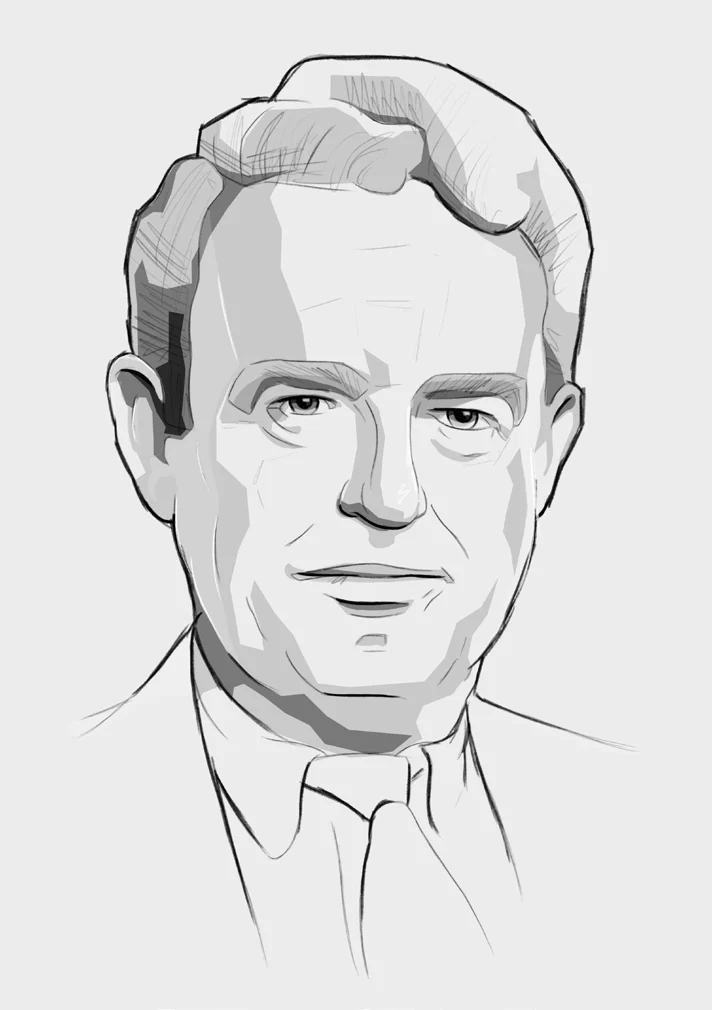
Sidney GraybealCIA, October 1962
On 15 October 1962, CIA Analyst Sidney Graybeal examined photographs taken by a U-2 spy plane flying over Cuba.
He recognised missiles covered in canvas, and launch sites that were only half built. By comparing the size of the missiles with photos from military parades in Moscow, he identified them as SS-4s, capable of reaching Washington DC.
Then he assured President Kennedy of the detail that mattered most:
The missiles were not yet ready to fire.
That gave the president a window to look for a peaceful solution to the Cuban missile crisis.
Spotting the clues gets you there.
Knowing what they mean gets the job done.
The school link
Graybeal compared the missiles in the U-2 photos with photos taken at military parades in Moscow to work out exactly what they were. Comparing sources, measuring carefully and drawing a conclusion you can defend are skills you use in geography, science and history.
The analyst’s job is to turn information into intelligence
- Analysts gather the sources.
- They judge what to trust.
- They find the gaps.
- They explain it clearly.
- They predict what comes next.
Analysts are the brains of an intelligence service. They turn information into knowledge, and knowledge into intelligence, then brief Spymasters with presentations and reports.
Their sources range from public websites to secret agents, and they have to judge the value of everything they collect, including what is new and unverified. Some become experts in the politics of a region, others in a terrorist organisation or a country’s missile technology. They also spot gaps in knowledge for other officers to fill.
Most challenging of all, they predict how their specialist area will look in the future.