Name:
Isabella Lopez
Group:
Brixton Academy
Location:
London

Your Q Type

Special Ops Officer

You act when it matters.

You respond to a challenge by looking for a way through it. Quick reactions, physical confidence and a cool head come naturally to you.

At school, you are at your best when you can put your abilities to the test. You prepare well, act decisively and keep calm when a plan changes.

Standout attributes

  • Inquisitiveness+40
  • Sociability+40
  • Cold Risk+30
All ten attributes

Defining qualities

  1. 1Agile
  2. 2Courageous
  3. 3Composed

Your watch-out

Moving into action before everyone has the information they need, or carrying too much of the burden yourself.

01Attributes

What you say and what you do

Unlike other systems, your SPYSCAPE results combine what you say about yourself with how you actually perform.
YouAverage visitor
ConscientiousnessInquisitivenessCold RiskHot RiskComposureSociabilityIntellectAgilityInterpersonalSkillsObservation

Hover over or select an attribute to see what it means.

Inquisitiveness

You 80%Average 40%

The drive to explore, question and understand the world around you. It is a key trait behind learning, discovery and creative thinking.

How we measured this: Your answers to 48 statements in the Personality challenge.

At school: Asking “why?” in science, digging into sources in history and reading beyond the set text.

40 points above the average visitor. Self-reported: from your answers to the personality questions in the Mind Games.

How your scores were built

Your scores come from two sources. Self-reported scores come from your answers to the personality questions in the Mind Games. Observed scores come from how you actually did in the immersive challenges and in the Mind Games puzzle and risk tests.

Put together, they build your personal profile across ten attributes. Each one is shown against the average visitor, so you can see where you stand out.

SPYSCAPE developed the system with leading psychologists and a former Head of Training at British Intelligence (MI6). More than one million people have now used it.

Self-reportedObserved

Mind

  • The drive to explore, question and understand the world around you. It is a key trait behind learning, discovery and creative thinking.

    How we measured this: Your answers to 48 statements in the Personality challenge.

    At school: Asking “why?” in science, digging into sources in history and reading beyond the set text.

    40 points above the average visitor.

    Self-reported: from your answers to the personality questions in the Mind Games.

Nerve

People

Execution

02Your Q Type

Special Ops Officer

You act when it matters.

In your everyday life

You tend to respond to a challenge by looking for a way through it. You're comfortable acting when circumstances change and can keep your attention on what needs to happen next. You enjoy putting your abilities to the test, particularly when quick reactions, physical confidence and a cool head make a difference. You know that courage is most useful when paired with preparation.

Your watch-out

Moving into action before everyone has the information they need, or carrying too much of the burden yourself.

The spy world

Intelligence is a natural basis for Q Types because spy agencies depend on very different kinds of people doing very different kinds of work.

Analysts make sense of complexity, handlers understand people, cryptologists recognise patterns, and operators perform under pressure.

SPYSCAPE uses these real specialist roles as archetypes. Your Q Type is the role that most closely matches your own pattern of attributes.

This profile explores the Special Ops Officer Q Type, and what it might reveal about you.

Three defining qualities

  1. 1

    Agile

    You’re quick on your feet and quick in your head, on the pitch or in a lesson. When something changes, you change with it.

  2. 2

    Courageous

    You’ll take on things that feel daunting, from a big presentation to a hard new skill. A challenge makes you want to go for it.

  3. 3

    Composed

    You keep a cool head when things get tense, like a test or a close match, which helps you make good choices fast.

Being a special ops officer isn’t about being fearless. It’s about being ready.

Your spy animal

Squirrel

Nationality:
South Korea
Agency:
NIS – National Intelligence Service
  • Agile
  • Precise
  • Relentless

Squirrels are kinetic marvels—quick-thinking, fast-moving, and fearless under pressure. Whether leaping rooftops or slipping through defences, they thrive in missions requiring physical dexterity and sharp reflexes. Chaos fuels them.

Illustration of the squirrel, the Special Ops Officer spy animal

03How you think

Challenge gives you the question

  • What’s the mission?
  • What could go wrong?
  • What’s plan B?
  • Are we ready?
  • When do we go?

You are likely to be most engaged when something is at stake. A steady lesson can be interesting. A fast-moving challenge, like a match, a practical or a performance, where you have to think on your feet, can be much more interesting.

You tend to prepare, then act.

You prepare, then you act

When faced with a difficult challenge, your instinct is to plan for what could go wrong, then commit when the moment comes.

  • Practise until a skill becomes automaticPEMusic
  • Plan for what could go wrongScienceDesign and technology
  • Make quick decisions under pressurePE
  • Keep calm when the plan changesPEScience
  • Look out for the people in your teamPECitizenship

At some point, the team has to catch up

A useful question for you

Does everyone know the plan before I move?

Useful in group work, too: a one-minute check that everyone knows their job stops you doing all the work yourself.

04Strengths

Your strengths and their flip side

  • Agile

    At its best

    You think and move quickly when a task changes.

  • Courageous

    At its best

    You step forward when something needs doing, from a presentation to a new sport.

  • Composed

    At its best

    You keep a clear head under pressure, in tests and on the pitch.

  • Determination

    At its best

    You don’t stop until the job is done.

05At school

Your strengths in the classroom

Your Q Type doesn’t point to one favourite subject. It points to ways of thinking you can use right across Key Stage 3. Here is where the curriculum asks for the skills a Special Ops Officer relies on.
  • PE

    Key Stage 3 curriculum

    “Take part in outdoor and adventurous activities which present intellectual and physical challenges.”

    The Special Ops Officer link

    Special Ops Officers go through intense training, following the military mantra “Train hard, Fight easy.”

  • Science

    Key Stage 3 curriculum

    “Evaluate risks.”

    The Special Ops Officer link

    Special Ops Officers take on dangerous work, but they are not foolhardy. They plan every operation in great detail.

  • Languages

    Key Stage 3 curriculum

    “Initiate and develop conversations, coping with unfamiliar language and unexpected responses, making use of important social conventions such as formal modes of address.”

    The Special Ops Officer link

    Special Ops Officers need languages, and often work under cover as diplomats or businesspeople.

  • Design and technology

    Key Stage 3 curriculum

    “Understand and use the properties of materials and the performance of structural elements to achieve functioning solutions.”

    The Special Ops Officer link

    Paratroopers used the tiny Welbike to move quickly behind enemy lines, even though it had no suspension or front brakes.

  • History

    Key Stage 3 curriculum

    “Pursue historically valid enquiries including some they have framed themselves, and create relevant, structured and evidentially supported accounts in response.”

    The Special Ops Officer link

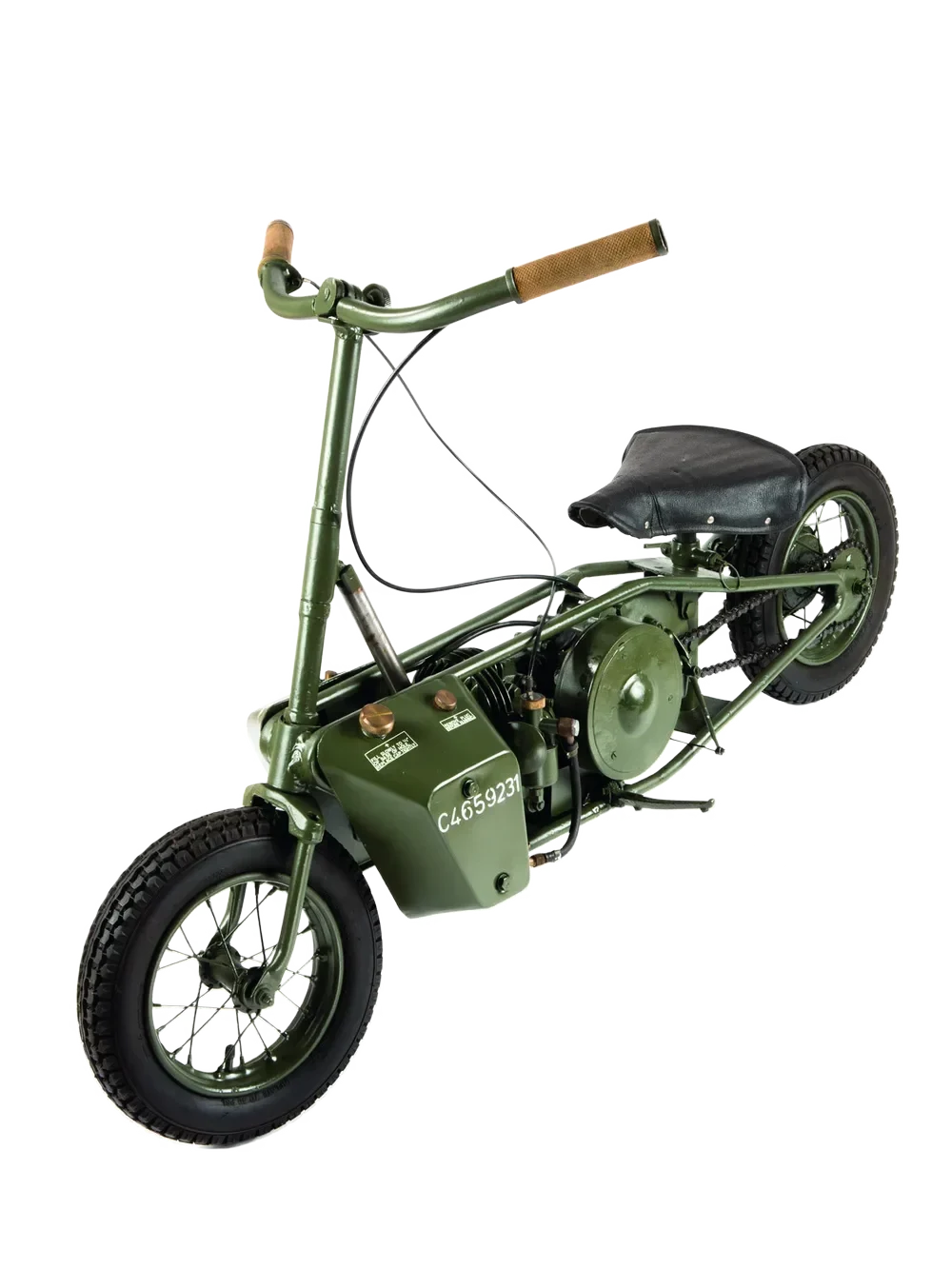
    Virginia Hall helped organise the French resistance in the Second World War, a period within Key Stage 3 history.

Curriculum lines are quoted from the Key Stage 3 programmes of study, National Curriculum in England.

Beyond school: follow the kind of work, not the job title

You thrive in fast-moving environments where high risk meets high reward. You’re the one people call when the mission can’t fail – because you won’t stop until it’s done. You’re not reckless. You’re ready.

Careers your Q Type points towards

  • Professional Athlete
  • Investigative Journalist
  • Private Investigator
  • Firefighter
  • Chiropractor
  • Specialized Doctor
  • ER Nurse
  • Physical Therapist

06In action

Special Ops Officer in action

Portrait photograph of Virginia Hall

Virginia HallFrance, 1944

During the Second World War, Virginia Hall was a Special Ops Officer working in secret, first for the British and then for the Americans.

Her mission was to help free France from Nazi occupation. She organised and strengthened the French resistance.

When Allied troops landed in France in June 1944, Hall was ready. Her team’s work behind the lines included:

Two bridges blown up and two freight trains derailed.

Her team attacked German troops and disrupted their supply lines. Their efforts helped secure victory in Europe.

Being brave gets you there.

Being ready gets the job done.

The school link

Virginia Hall organised the French resistance in secret, so that when Allied troops landed in June 1944, her team was ready. Planning, teamwork and keeping calm under pressure are skills you build in PE and in group projects.

  • PE
  • History

The special ops officer’s job is to be ready for anything

  • They go behind enemy lines.
  • They gather intelligence.
  • They protect other officers.
  • They plan every detail.
  • They train hard.

Special Ops Officers carry out focused military operations to disrupt hostile activity against their nation. They also go behind enemy lines to gather intelligence or protect fellow intelligence collectors. Overseas, they often take on the cover of diplomats, businesspeople or academics.

As well as explosives and weapons, they need skills in medicine, covert communication and languages. They must cope with “hot risk” situations, where they may be in physical and psychological danger.

But they are not foolhardy. They plan every operation in great detail and follow the military mantra: “Train hard, Fight easy.”

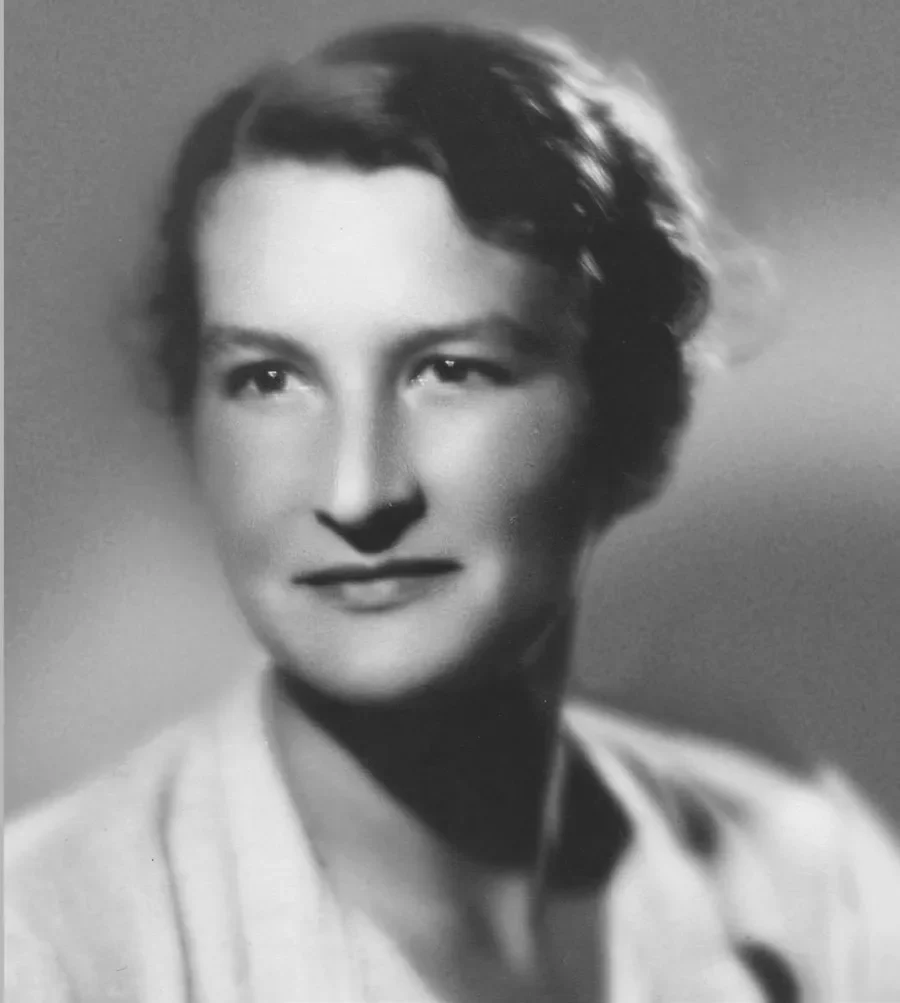
The Welbike, a small olive-green folding motorcycle, from the SPYSCAPE collection

Your spy object

Welbike

Used by paratroopers behind enemy lines

The Welbike is the smallest motorcycle ever used by the Allied armed forces. Paratroopers used it to move quickly through the countryside behind enemy lines. That was easier said than done: the bike has no suspension or front brakes, and its fuel tank holds less than a gallon.

Think like a special ops officer. Your kit will never be perfect, so you plan around its limits before you set off.

From the SPYSCAPE collection

The SPYSCAPE collection spans 300 years of secrets, from Napoleon’s daily intelligence portfolio and George Washington’s invisible ink to space age surveillance technology.

07Other Q Types

Nine other ways of approaching the world

Your Q Type is the closest match to your mix of attributes. Spy agencies need very different kinds of people, and none of these roles is better than another.

1 of 9

Spymaster

Sees the bigger picture.

Strategic, empathetic and comfortable taking responsibility. Looks beyond the immediate problem, weighs competing priorities and helps others understand where things are heading.

In the spy world

Spymasters lead intelligence departments or whole services. They make strategic decisions, weigh risks and benefits, and keep the support of government leaders.

Spy animal

Illustration of the lion, the Spymaster spy animal

Lion

  • Regal
  • Strategic
  • Commanding

Lions lead without spectacle. Their power lies in clarity, decisiveness and effortless control of complex operations. With panoramic oversight and earned authority, they run the mission from behind the curtain.

Being brave does not mean being fearless

Often the most valuable person in the room is the one who knows:

  • When to go;
  • When to wait;
  • When to switch to plan B.

Q Type

Your profile is a starting point

Use it to notice what gets you fired up in lessons, what you bring to a group without even trying, and where a strength can turn into a blind spot. The useful question isn’t whether every line describes you perfectly. It’s what the profile helps you see more clearly.

How was your mission?

Please help us with our mission. A review takes a minute or two.

Something not right? Tell our team directly.